
The short answer
A used excavator cold-start test is a screening tool, not a remote diagnosis. Ask for one uncut video that proves the machine is cold, records the panel before cranking, captures the complete start and stabilization, then shows a controlled warm-up and hydraulic function check. Any red flag should trigger more evidence or an independent inspection—not a confident fault label from smoke or sound alone.
01
Set the evidence rules before the seller starts filming
Request one original, continuous file rather than several clips. The operator should show the date or agreed reference, machine exterior, serial plate, hour meter, ambient temperature when available, engine bay and the key or start control before the first crank. The point is to preserve sequence and expose any gap where the engine could have been warmed or edited.Use the full inspection checklist for the rest of the machine
Tell the seller not to pre-start the machine for camera setup. If a battery charger, starting aid, block heater or external power source is used, it must be shown and disclosed. Those aids may be entirely appropriate for the temperature and model; hiding them is the problem.
Keep the camera close enough to capture the instrument panel and sound, then far enough to show exhaust behavior and leaks without placing the filmer in a hazardous position. The operator—not the buyer watching remotely—remains responsible for safe startup and the model-specific manual.
| Step | Required frame | Record | Do not infer |
|---|---|---|---|
| 1 | Identity and surroundings | Model/serial, hour meter, date reference, ambient condition | That the meter or year is verified from video alone |
| 2 | Cold-state evidence | Cool accessible components or temperature readings where safe | An exact internal engine temperature |
| 3 | Pre-start panel | Warning lamps, fuel, battery indication and fault messages | That every electronic fault is absent |
| 4 | Complete crank | Elapsed crank, changes in speed and any second attempt | A specific starter, fuel or compression failure |
| 5 | First 60 seconds | Smoke trend, idle stability, warnings, leaks and unusual sound | A confirmed diagnosis from color or sound |
| 6 | Stabilization | Oil pressure/warning status, idle response and visible leaks | That the engine is fully healthy |
| 7 | Controlled warm-up | Gradual machine movement and temperature rise per manual | That cold hydraulics should be loaded immediately |
| 8 | Function sequence | Boom, stick, bucket, swing and travel in a named order | Measured pressure, flow or internal wear |
If the video cuts, the cold-state evidence resets. Ask for a new continuous sequence rather than trying to reconstruct one from clips.
02
Prove the engine is actually cold before cranking
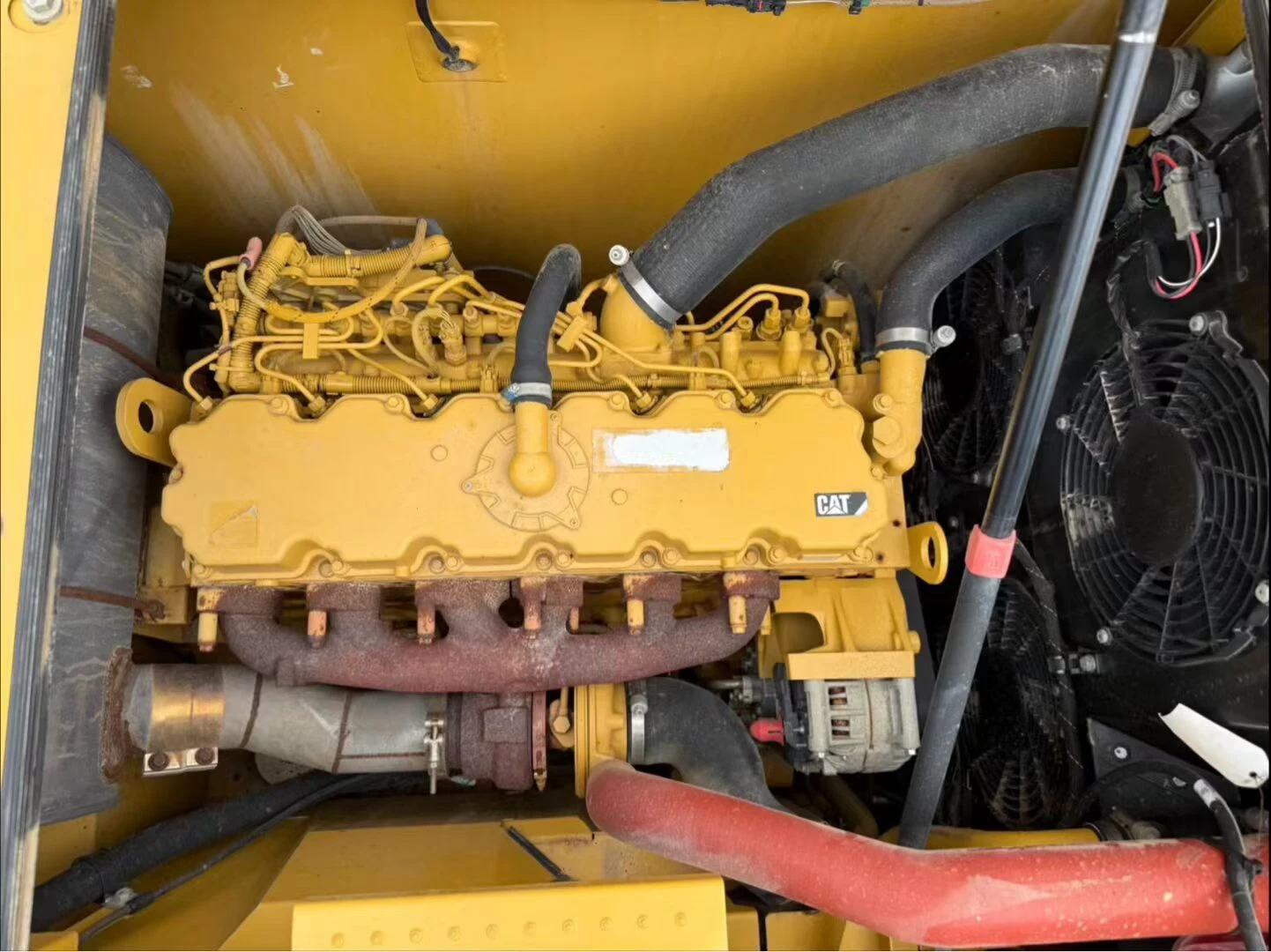
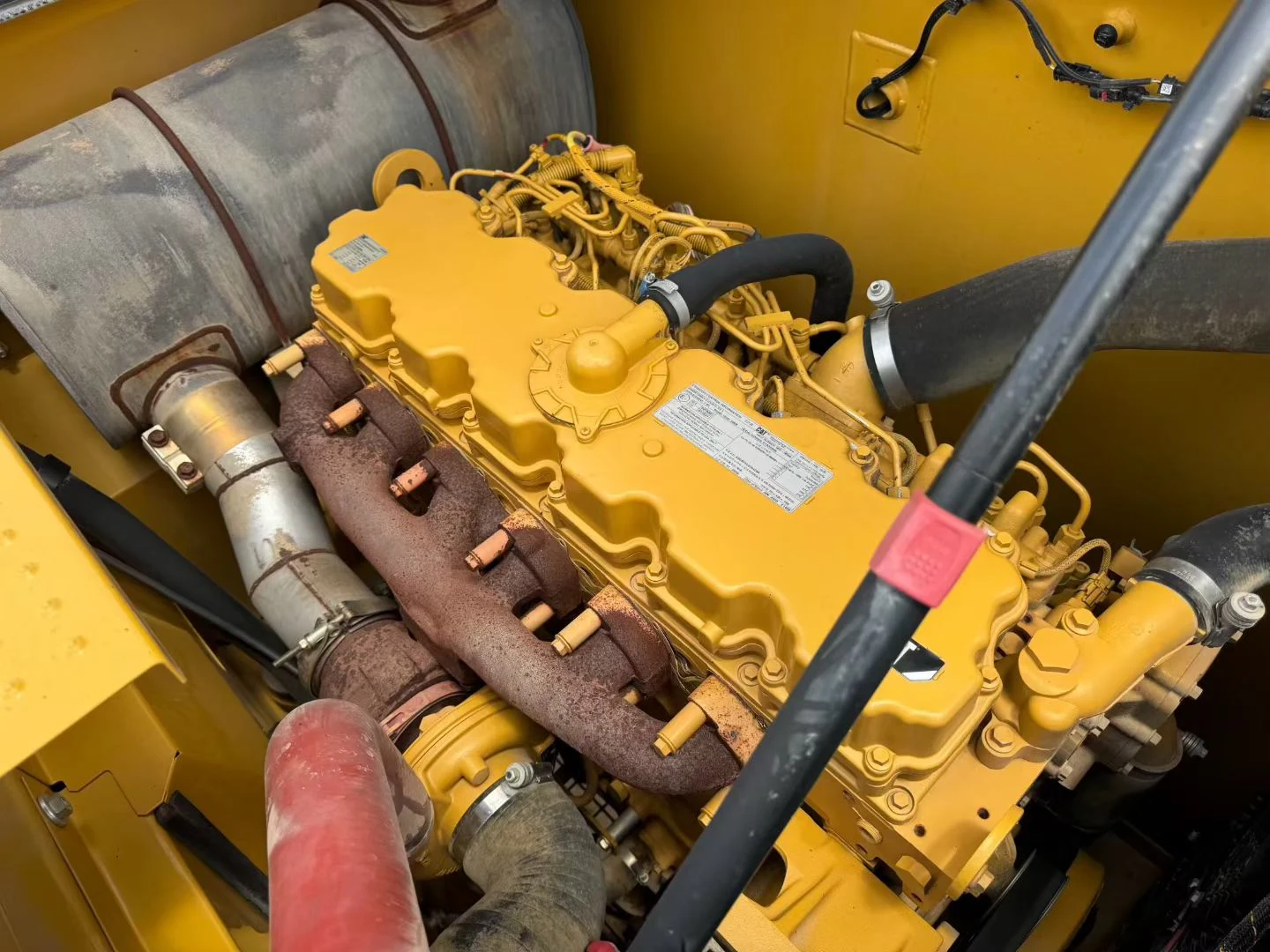
Start with a slow walkaround and the open service compartment. Show coolant and oil levels only where the machine manual permits a safe check, plus visible hoses, wiring, batteries, filters, water separator and the ground beneath the machine. A fresh spill, disconnected sensor or recently wiped leak is relevant even before startup.Volvo excavator pre-start checklist
Where it can be done safely, show a surface-temperature reading at a consistent accessible point and compare it with ambient conditions. Do not touch exhaust, coolant caps, belts or moving parts. A thermometer reading is supporting context, not proof of internal temperatures. Caterpillar’s pre-shift maintenance guidance also reinforces checking fluid levels, visible leaks, filters, belts and the engine compartment before work begins.Cat excavator maintenance and pre-shift checklist
Ask whether the machine was operated during the prior shift and how long it has stood. Record any heater, starting fluid or charger. A cold start in a warm climate and a cold start below freezing are not comparable tests, so temperature and assistance must stay attached to the observation.
03
Record crank time, panel warnings and every start attempt
Frame the instrument panel before the key is turned. Record which warning lamps illuminate during the self-check, which go out after startup and which messages remain. Keep the sound and panel visible through the complete crank and at least the initial stabilization period.
One longer crank, repeated attempts, a jump start or an engine that catches and stalls are red flags because they change the evidence needed next. They are not a diagnosis. Battery state, temperature, fuel delivery, air entry, sensors, starter condition and engine condition can create overlapping symptoms.
Do not allow the operator to rev the engine immediately to make it sound stronger or clear smoke. Ask for the manufacturer-prescribed startup sequence. If the seller says a symptom is normal for the model or weather, request the applicable manual reference and an independent technician review.
04
Treat smoke, noise and idle behavior as observations—not verdicts
Describe what the video actually shows: color as captured, density, duration, whether the plume changes with stabilization, and whether it returns under a named function. Camera exposure, lighting, fuel, temperature and aftertreatment can alter appearance. Avoid writing “bad injectors,” “worn rings” or another specific cause from a remote clip.
Use sound the same way. Note a repeatable knock, squeal, hiss, hunting idle or change when a function is engaged, but do not localize an internal failure through a phone microphone. Ask for a second recording from a safer consistent position and have a technician inspect any consequential symptom.
Caterpillar describes a certified-used inspection as more than a visual check: its process includes service history, electronic tools, a walkaround, startup, maneuvering and operational tests. That is the right boundary for a remote buyer—a video can qualify the next step, but cannot substitute for the complete evidence chain.Cat Certified Used inspection processReview Direct Excavator inspection support
| Observation | Record precisely | Request next | Do not conclude |
|---|---|---|---|
| Long or changing crank | Seconds, attempts, assistance, temperature | Battery test, fault codes, fuel/air checks, technician review | One confirmed root cause |
| Smoke persists or returns | Captured color, duration, load/function and weather | Warm repeat, service history, diagnostics and inspection | Specific internal engine damage |
| Unstable idle or stall | RPM indication, warnings, timing and repeatability | Codes, fuel evidence and technician assessment | That the machine only needs a tune-up |
| Knock, squeal or hiss | Location as heard, RPM/function and repetition | Safe close recording and hands-on inspection | Exact failed component |
| Warning remains | Exact icon/code and when it appears | Manual lookup, electronic download and repair evidence | That clearing the lamp fixes the condition |
| Leak appears after start | Fluid location, timing, amount and affected circuit | Shutdown decision and technician inspection | That wiping the area makes it acceptable |
05
Score the eight red flags before the video moves on
Use the same eight labels on every candidate. Mark each item observed, not observed or not proven, then attach the timestamp and the next evidence request. This keeps a dramatic plume or noisy phone recording from outweighing the complete sequence.
One flag does not identify a failed component. It changes the buyer’s next step. Multiple flags, a stop warning, an active leak or an inconsistent explanation should move the machine out of price discussion and into qualified inspection.
| # | Red flag | Evidence to preserve | Buyer action |
|---|---|---|---|
| 1 | Undisclosed pre-warm or starting aid | Cold-state sequence, heater/charger/starting-aid disclosure | Repeat the test under a written protocol |
| 2 | Abnormal crank or repeated start attempts | Full crank time, sound, assistance and ambient condition | Request battery, fuel/air and diagnostic evidence |
| 3 | Persistent warning, fault message or stop condition | Exact icon/code and when it appears | Stop or escalate according to the machine manual |
| 4 | Smoke that persists or returns | Captured color, density, duration, temperature and load | Repeat warm observation and require qualified assessment |
| 5 | Unstable idle, hunting or stall | RPM indication, timing, warnings and repeatability | Request codes, service evidence and technician review |
| 6 | Repeatable knock, squeal, hiss or abnormal change | Safe recording position, RPM/function and repetition | Escalate to hands-on inspection |
| 7 | New or worsening leak after startup | Location, fluid, timing, amount and affected circuit | Make the safe shutdown decision and inspect |
| 8 | Delayed, chattering, drifting or inconsistent hydraulics | Named function sequence, warm-up state, panel and leak view | Require controlled hydraulic testing |
Not observed means the video did not show the flag. Not proven means the framing, sequence or conditions were too weak to judge it.
06
Warm the machine gradually before testing hydraulic response
After the engine stabilizes and the panel shows no stop condition, follow the exact model manual for warm-up. In cold conditions, Volvo advises allowing the engine to stabilize and then introducing movement slowly to warm the whole system. That guidance supports gradual observation; it is not a universal five-minute rule for every excavator.Volvo cold-weather excavator guidance
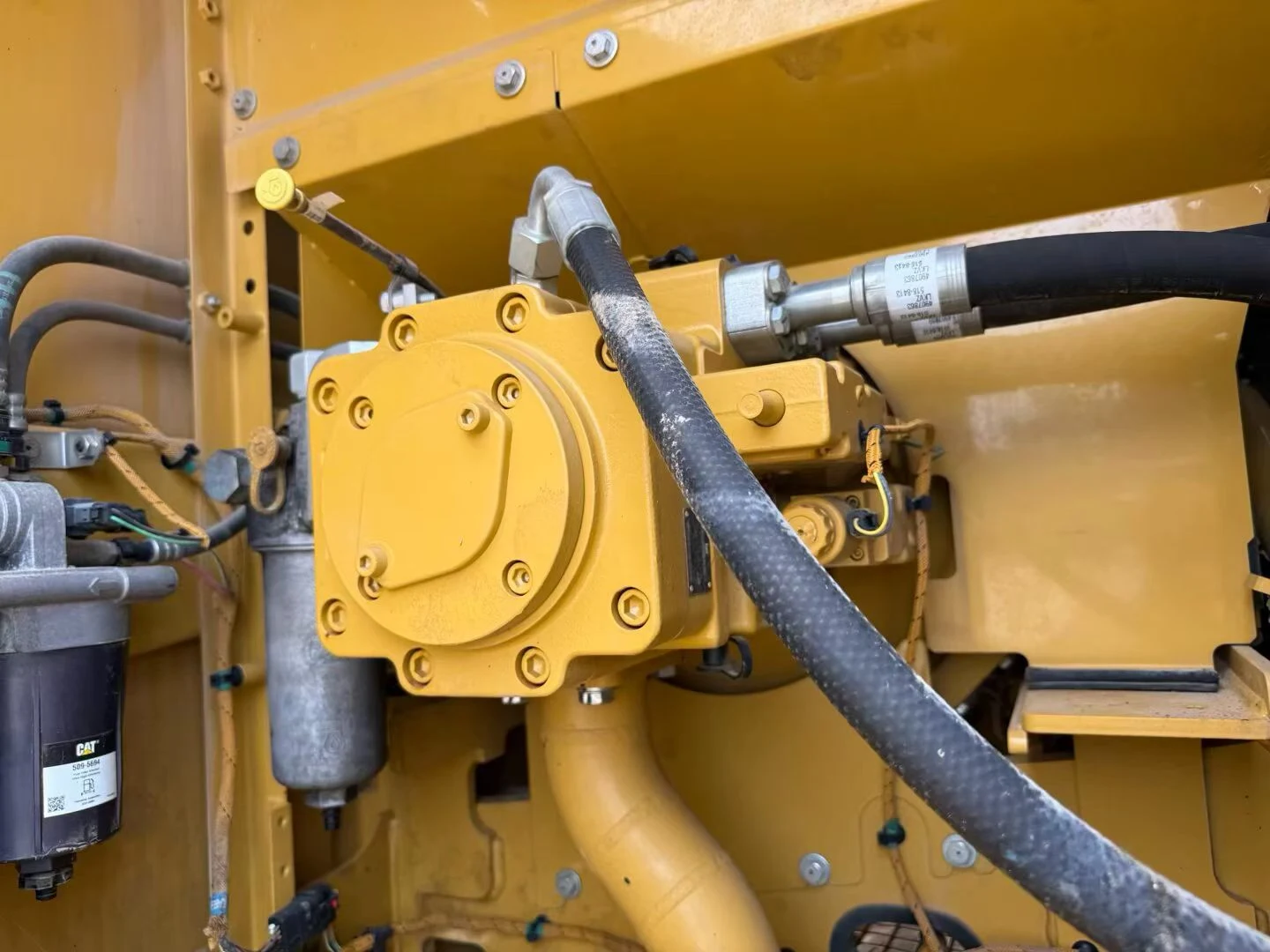
Film boom raise/lower, stick in/out, bucket curl/dump, swing left/right and travel in a fixed order. Show the ground and cylinders where possible. Record hesitation, chatter, drift, unusual pump noise, warnings or new leakage. A smooth empty function check still does not prove pressure, flow or performance under a measured load.
If the oil is cold, the operator should not shock-load the hydraulics for the sake of a dramatic video. Any load or stall test belongs to a competent inspector with the correct procedure, instruments, safe area and machine documentation.
07
Keep the function test repeatable and tied to the video timeline
Call out each movement before it begins. Use the same engine mode and show the panel during at least part of the sequence. Repeat a suspicious function once under the same safe condition rather than changing several variables at once.
Film cylinders, hose junctions and the area under the machine after the sequence. Note whether a leak existed before startup or appeared with temperature and pressure. A wet component can be residual cleaning fluid, oil or another liquid; identify it in person rather than naming it from pixels.
End with a second panel view and a slow walkaround. The closing frame should preserve warnings, temperature, elapsed run time and any new condition. Ask for the original file metadata and avoid accepting a social-media upload as the only copy.
08
Use three decision gates: continue, repeat or escalate
Continue to the full inspection when identity aligns, the cold-state sequence is credible, the engine starts and stabilizes without an unresolved stop condition, and the named functions can be shown safely. “Continue” means the machine earned further verification—not that it passed purchase acceptance.
Repeat the cold-start video when the file cuts, the engine may have been pre-warmed, assistance was not disclosed, the panel is unreadable, the microphone is overwhelmed or the hydraulic sequence changes variables too quickly. A repeat request is cheaper than interpreting weak evidence.
Escalate to an independent technician, electronic diagnostics, fluid analysis or a controlled performance test when a consequential warning, persistent symptom, leak or inconsistent seller explanation remains. Combine the result with serial, service, undercarriage, structural and paperwork evidence before any payment decision.Talk to Direct Excavator about a machine-specific evidence request
If the machine's history includes being recovered after it was stuck or bogged, add that as its own evidence line, because it raises fresh undercarriage, final-drive and structural questions for the same condition file: how a recovery incident changes the inspection scope
| Gate | Use when | Buyer action |
|---|---|---|
| Continue | Continuous sequence is credible; no unresolved stop condition; observations are documented | Proceed to full independent inspection and records review |
| Repeat | Cuts, weak framing, hidden assistance, unclear panel or missing cold-state proof | Request a new original video under the same written protocol |
| Escalate | Persistent warning, smoke/noise trend, stall, leak, poor response or inconsistent explanation | Require diagnostics, sampling or qualified hands-on testing before price approval |
09
Send this eight-line request to the seller
1) Keep the machine off until filming begins. 2) Record one continuous original file. 3) Show date reference, weather, model/serial and hour meter. 4) Show engine bay, ground, assistance and pre-start panel. 5) Capture the complete crank and first 60 seconds. 6) Hold on the panel and exhaust through stabilization. 7) Warm and move functions only as the model manual permits. 8) Finish with the panel, leak walkaround and the original file.
Add machine-specific questions from the listing, service history and previous inspection. The protocol should remain consistent across suppliers so the buyer can compare evidence rather than video production quality.
10
Related equipment
Related equipment
Use the protocol on a named machine and compare the result with the relevant model family and independent inspection scope.
Used Caterpillar 320 Excavator
Used Caterpillar 320 excavators for sale from China, with price bands by year and hours, inspection proof, and shipping planning before you request a quote.
Used Komatsu PC200 Excavator
Used Komatsu PC200 excavators for sale from China: a proven midsize workhorse with wide parts availability, clear generation differences, and strong resale demand.
Used Hitachi ZX200 Excavator
Used Hitachi ZX200 excavators for sale from China, a familiar ZX-series midsize benchmark, with inspection proof and shipping support before you request price.
11