
The short answer
There is no universal hour at which an excavator becomes a bad purchase. Hours must be read with machine class, duty, maintenance, idle time, rebuilds and present condition. A high-hour machine with aligned records and renewed major components may be a better candidate than a lower-hour machine with an unexplained meter and mismatched wear. Remote buyers should verify the reading, map the component history, then decide whether to reject, request more evidence or commission an independent inspection.
01
Stop looking for one universal too-many-hours number
Excavators accumulate wear differently. Repetitive quarry loading, hammer work, demolition, idling, salt exposure and careful utility work do not create the same condition at the same meter reading. Machine size, maintenance intervals, cooling, contamination control and operator practice also change the result.
Treat the displayed hours as one dimension of a service-life file. The buying question is not “Is 8,000 hours too high?” but “What work produced these hours, which components are original, what has been rebuilt, and does current evidence match the story?”
| Observed situation | What it can mean | Evidence required | Buyer action |
|---|---|---|---|
| Lower hours, weak records | Meter may be genuine, replaced or incomplete | ECM, service invoices, ownership and wear match | Hold price approval |
| Higher hours, complete service file | Long use may be controlled and traceable | Major-component history, samples and inspection | Escalate to condition review |
| Hours after rebuild | Meter did not reset the whole machine | Rebuild scope, parts, labor, test and remaining original systems | Budget by component |
| Wear does not match hours | Duty may be severe or the record may be incomplete | Undercarriage measures, pin play, controls, serial and ECM | Repeat or reject |
Do not convert these situations into fixed life expectancy. Use them to define the next evidence request.
02
Verify the meter against ECM, service and ownership records
Photograph the hour display, serial plate and machine identity in one continuous record. Then request the electronic-control-module download available for the model, service invoices, dealer history, inspection records and prior ownership timeline. Caterpillar’s certified-used process explicitly reviews configuration, additions, service/repair history, fluid samples and ECM information before operational testing.Cat Certified Used inspection scopeUse the full Direct Excavator inspection checklist
A difference is not automatically fraud. A panel, controller or engine can be replaced. The seller should explain the change and preserve the prior reading, part record and date. An unexplained mismatch is a commercial risk because the buyer cannot assign maintenance or remaining-life assumptions confidently.
03
Match visible wear to the claimed duty and hours
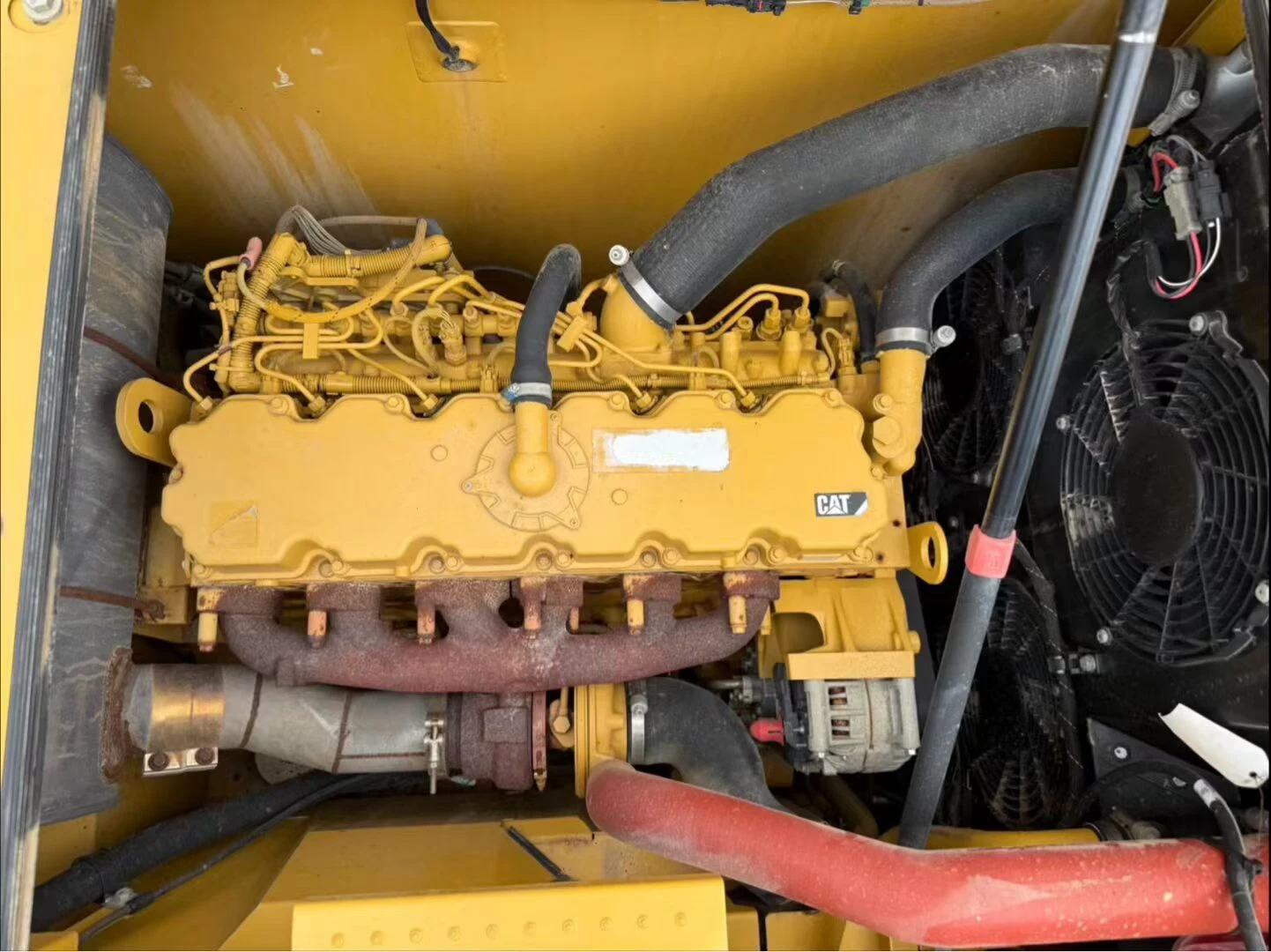
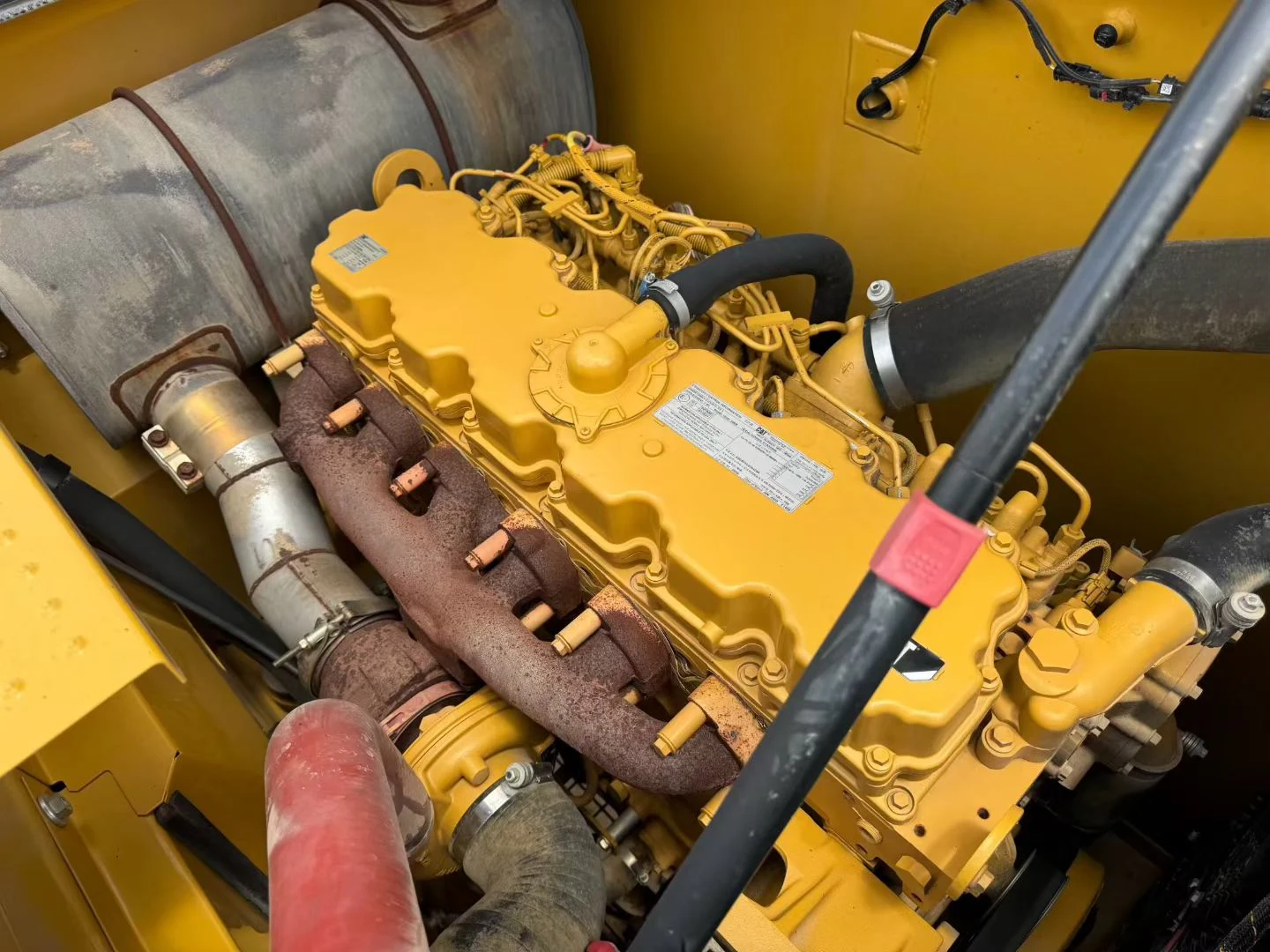
Inspect undercarriage measurements, sprocket profile, rollers, idlers, track links, slew play, boom and bucket pins, cylinder rods, cab controls, pedals, seat, steps and attachment coupler. Look for a consistent pattern. One newly painted surface should not outweigh wear across the complete machine.
Volvo notes that component life varies with use and that service history is the correct starting point before inspection. It also treats the undercarriage as a high-value area that should be measured rather than judged from distant photos.Volvo used-component inspection guidanceVolvo undercarriage inspection guidance
04
Separate engine, hydraulic, undercarriage and structural clocks
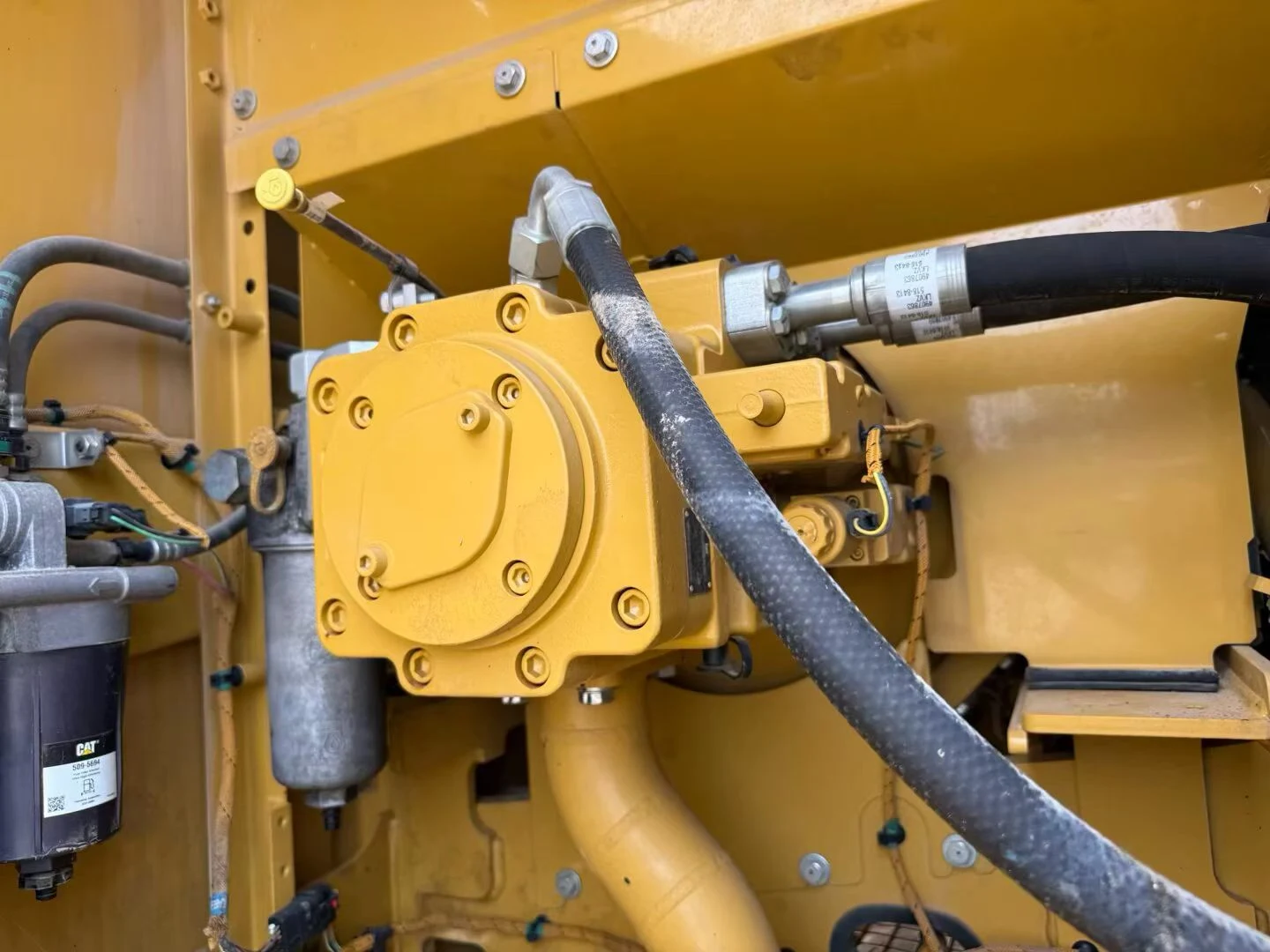
An excavator does not have one remaining-life clock. The engine, pumps, main valve, swing bearing, final drives, undercarriage, cylinders, boom, stick, bucket linkage, electrical system and cab can be at different points. A documented engine rebuild does not renew the hydraulic system or structure.
Build a component ledger with four states: original and measured; replaced with proof; rebuilt with scope and test; unknown. Add the date and hours at each event. Price contingencies around the unknown systems instead of subtracting a generic amount for the total meter reading.
| System | Record | Current evidence | Open commercial question |
|---|---|---|---|
| Engine | Overhaul scope, hours and parts | Cold start, blow-by test, fluids, diagnostics | What remained original? |
| Hydraulics | Pump/valve/cylinder work | Warm function, drift, pressure/flow and oil | Was performance tested? |
| Undercarriage | Replacement and measurement dates | Current percentages or dimensions | How much usable wear remains? |
| Structure | Weld or repair history | Clean inspection of boom, stick, frame and slew area | Was repair engineered and tested? |
05
Test the machine cold, warm and under controlled function
Use one continuous cold-start record, then complete the model-specific warm-up and named boom, stick, bucket, swing and travel sequence. Record warnings, smoke trend, idle stability, leaks, drift, noise and response without diagnosing from video alone.Follow the used excavator cold-start protocolReview Direct Excavator inspection support
For a serious candidate, escalate to qualified pressure/flow tests, electronic diagnostics, fluid analysis, undercarriage measurement and structural inspection. Test conditions and instruments belong in the report. “Runs well” is not a measurable result.
06
Convert the evidence into repair reserve and decision gates
List every known repair, acceptable wear item, unknown system and test exception. Obtain parts and labor assumptions for the destination, not the seller’s market. Add shipping, downtime, specialist access and the risk that a connected system must be repaired at the same time.
Use three gates. Continue when identity, history and wear align well enough for independent inspection. Repeat when the evidence is incomplete or inconsistent but correctable. Reject when identity cannot be reconciled, consequential defects remain hidden, or the seller will not permit appropriate verification.
| Gate | Use when | Next action |
|---|---|---|
| Continue | Records and physical evidence align; unknowns are testable | Commission independent inspection and repair estimate |
| Repeat | Meter, video, records or measurements are incomplete | Request a named evidence package with deadline |
| Reject | Identity conflict, hidden damage, refusal or uneconomic repair exposure | Remove the unit from the shortlist |
07
Send this remote high-hour evidence request
Request: serial and year evidence; meter photo and continuous video; ECM report where available; ownership and service history; rebuild invoices and component list; cold-start and warm-function video; undercarriage measurements; fluid samples; fault codes; structural close-ups; attachment and configuration list; and permission for an independent inspector.
Share the complete file with Direct Excavator before comparing price. A high-hour machine should earn its place through evidence, not a repaint or a reassuring meter photograph.Discuss a machine-specific evidence scope
08
Related equipment
Related equipment
Compare the inspection evidence with the machine family and destination plan.
Used Caterpillar 320 Excavator
Used Caterpillar 320 excavators for sale from China, with price bands by year and hours, inspection proof, and shipping planning before you request a quote.
Used Komatsu PC200 Excavator
Used Komatsu PC200 excavators for sale from China: a proven midsize workhorse with wide parts availability, clear generation differences, and strong resale demand.
Used Hitachi ZX200 Excavator
Used Hitachi ZX200 excavators for sale from China, a familiar ZX-series midsize benchmark, with inspection proof and shipping support before you request price.
09