
The short answer
Use the manufacturer’s operating and shipping definitions only as references. The freight quote should use an agreed shipping configuration and, when required, a recent scale record. State the bucket, coupler, counterweight, guards, tracks, fluids, fuel, loose parts and every removed item. Pair weight with transport dimensions, center-of-gravity and lift/tie-down information required by the carrier.
01
Operating, shipping, transport and actual weight are different records
Operating weight describes a manufacturer-defined ready-to-work configuration. Shipping or transport weight removes items according to that manufacturer’s stated convention. Actual scale weight records one physical machine at one time. None of these terms should be assumed to mean the same configuration across brands.
For example, a JCB mini-excavator specification defines operating weight with cab, tracks, dipper, counterweight, blade, hydraulic equipment, bucket, full tanks and a 75 kg operator; its shipping weight removes the operator and bucket/attachment and reduces fuel to 10%. A Volvo compact-excavator brochure lists operating and transport weight with a configuration note. Those definitions are useful precisely because they expose what is included.
| Record | Purpose | Must include |
|---|---|---|
| Operating weight | Compare working configurations | Manufacturer definition, model, options and attachments |
| Shipping/transport weight | Reference a transport configuration | Exact included/excluded list and fuel/fluid condition |
| Actual scale weight | Verify the physical shipment | Scale, date, serial, configuration, ticket and uncertainty |
| Carrier declared weight | Booking and compliance record | Agreed shipment pieces and governing carrier requirements |
Use the carrier and route requirements to decide whether a certified scale record is needed.
02
Freeze the exact machine configuration before requesting freight
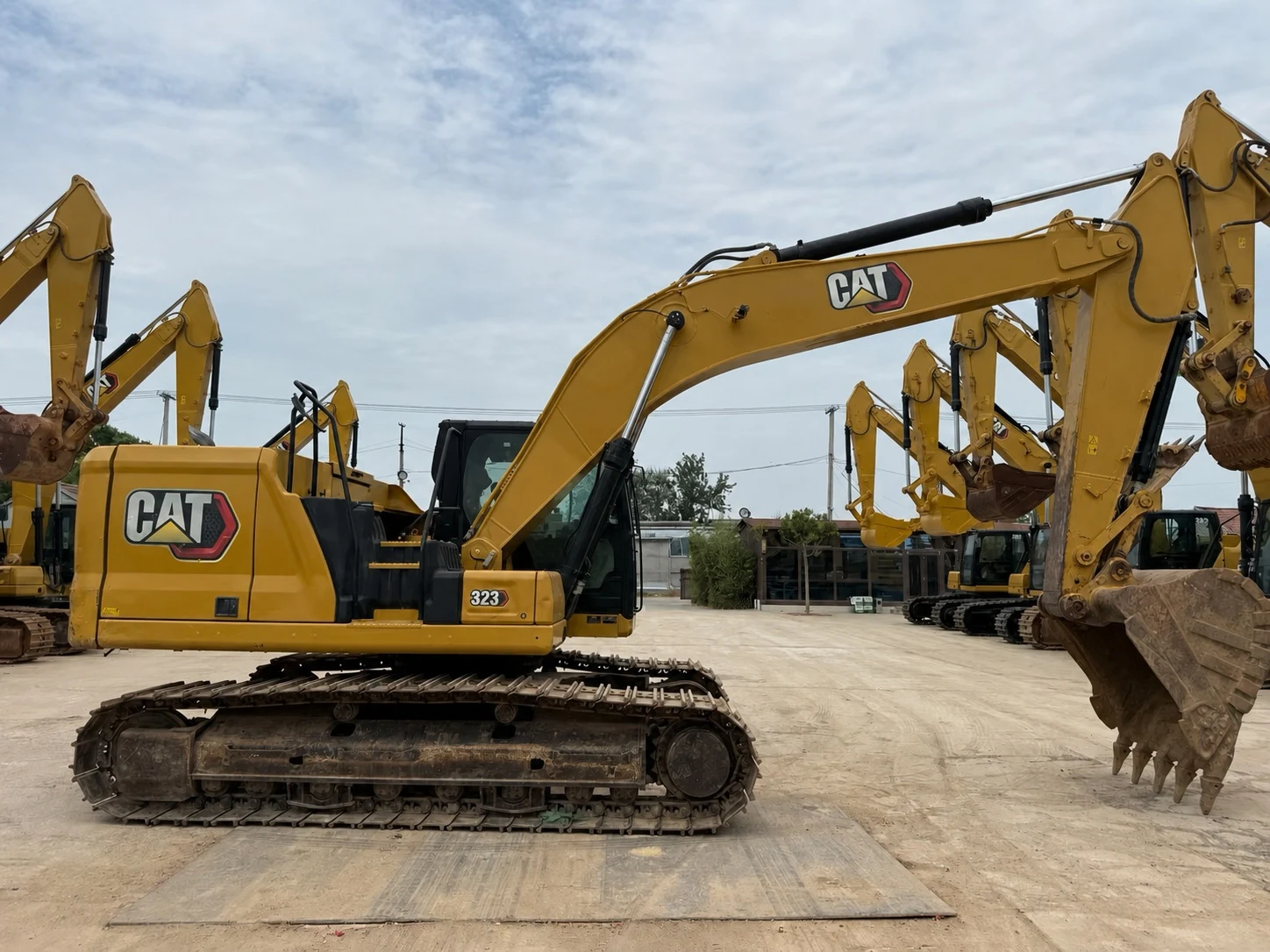
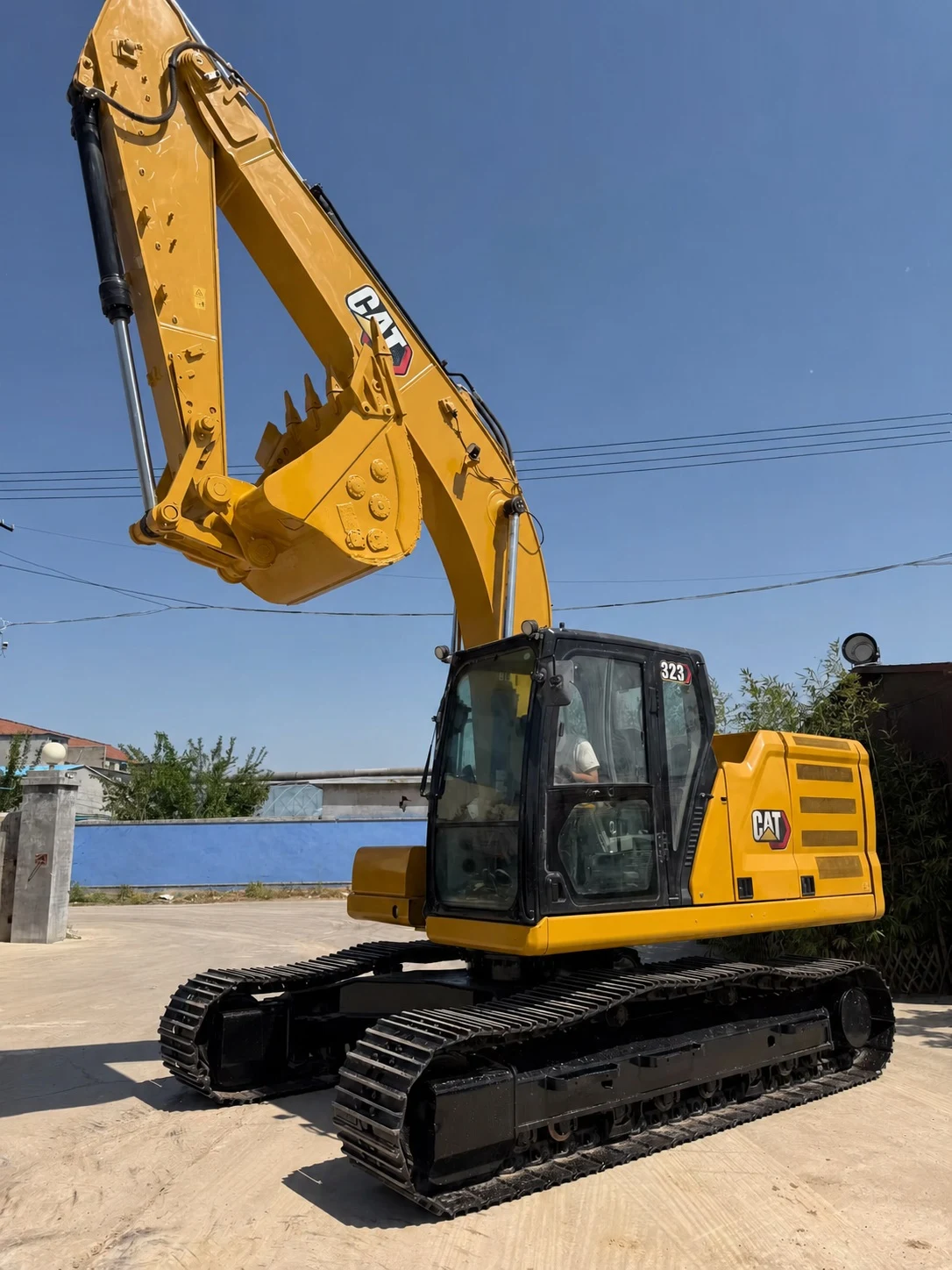
Record model, serial, boom, arm, cab/canopy, track type and width, blade, counterweight, guards, quick coupler, bucket, thumb, auxiliary piping and every attachment. Photographs should show the same configuration as the weight sheet.
Do not use “standard machine” as a substitute. Optional steel tracks, long arms, extra counterweights and guarding can move the result materially. If the seller changes the configuration after weighing, the record must be revised.
03
Record fluids, fuel, bucket, coupler and removed parts separately
Use a line-item ledger. State fuel percentage or measured volume, hydraulic and coolant condition, bucket and coupler mass, counterweight, guards, track shoes, spare attachments and loose parts. Never promise drained systems unless the machine manual, seller, carrier and environmental rules support the procedure.
If a bucket or counterweight is removed, it does not disappear from the shipment. Record it as a separate piece with its own weight, dimensions, lifting method, securing plan and packing location. Removal may change the machine’s balance and lifting points.
| Item | Installed on machine? | Mass source | Shipment treatment |
|---|---|---|---|
| Fuel and service fluids | State condition | Measured/estimated with basis | Remain, reduce or handle per approved plan |
| Bucket and coupler | Yes/No | Plate, brochure or scale | Installed or separate secured piece |
| Counterweight | Yes/No | Manufacturer or scale | Removal procedure and lift plan |
| Guards, thumb and attachments | Yes/No | Part data or scale | Identify every loose piece |
| Tools and spare parts | No | Packed-piece scale | Separate packing list line |
04
Pair weight with dimensions and handling points
Freight planning also needs length, width and height in the exact transport posture. Record boom and arm position, exhaust/cab height, track width, blade and counterweight, plus every overhanging or removed item. Photographs with a tape or surveyed dimensions should correspond to the final configuration.
Send the package to the shipping team with destination and loading assumptions. The Direct Excavator shipping owner covers booking and handling workflow; this article owns the data definitions.Review excavator shipping supportModel the landed-cost inputs
05
Reconcile brochure, seller statement and scale ticket
Create three columns rather than choosing the most convenient number. Explain every difference with a configuration or measurement reason. Check units, rounding, model variant and whether the brochure is for the same regulatory market and equipment package.
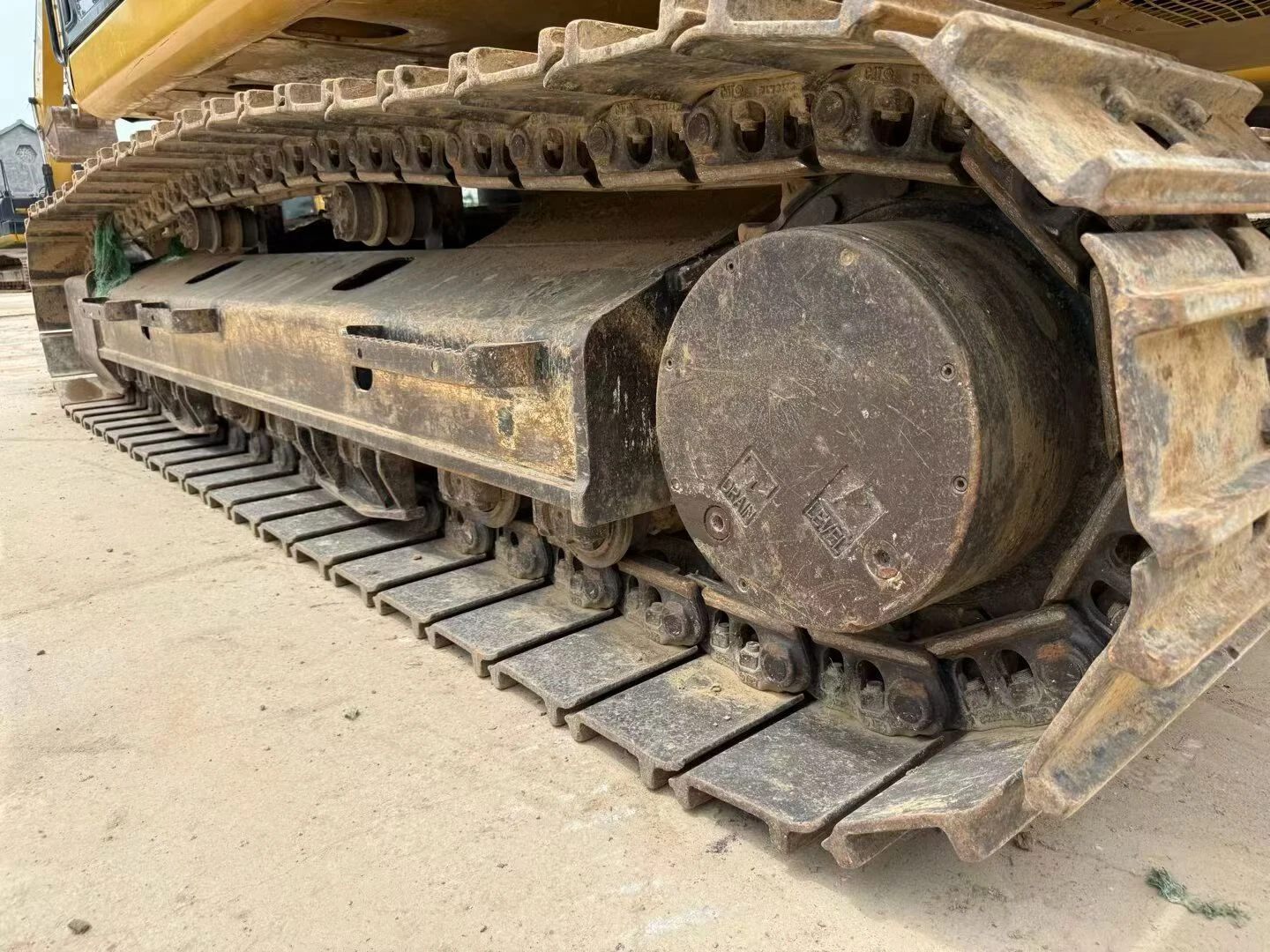
A valid scale record identifies the scale, date, serial or shipment reference, gross and tare method, and physical configuration. A photograph of a display without the machine identity or ticket is weak evidence. If weight affects route legality, lifting or freight class, use the qualified evidence required by the responsible carrier and authorities.
06
Issue one signed freight data pack
The final pack should contain identity, configuration ledger, included/excluded items, weight records, transport dimensions, photographs, separate-piece list, lifting and tie-down references supplied for the model, hazardous or fluid declarations required by the route, and the responsible sign-off.
Mark estimates as estimates. Do not replace an unavailable actual value with zero. Freeze the version used for the quote, then issue a controlled revision if the machine, bucket, fuel level, removed parts or route changes.
| Gate | Pass evidence | Stop condition |
|---|---|---|
| Identity | Serial/model and photos align | Variant or serial unresolved |
| Configuration | Installed and removed items listed | “Standard” configuration assumed |
| Weight | Definitions reconciled; scale evidence if required | Convenient brochure number copied |
| Dimensions | Final transport posture measured | Working dimensions substituted |
| Pieces | Every loose part on packing list | Removed bucket/counterweight unrecorded |
07
Send these fields before asking for a freight quote
Send the machine serial and model; final installed equipment; fuel/fluid state; operating and shipping definitions; actual scale ticket when required; transport length, width and height; separate pieces; pickup and destination; loading method; and any route-specific carrier request.
Direct Excavator can help reconcile the machine evidence and logistics questions, but the carrier and destination professionals remain responsible for the route, legal declarations and handling plan.Request a shipping review
08
Related equipment
Related equipment
Pair the final shipment data with the correct excavator family and inspection file.
Used Caterpillar 320 Excavator
Used Caterpillar 320 excavators for sale from China, with price bands by year and hours, inspection proof, and shipping planning before you request a quote.
Used Komatsu PC200 Excavator
Used Komatsu PC200 excavators for sale from China: a proven midsize workhorse with wide parts availability, clear generation differences, and strong resale demand.
Used Hitachi ZX200 Excavator
Used Hitachi ZX200 excavators for sale from China, a familiar ZX-series midsize benchmark, with inspection proof and shipping support before you request price.
09